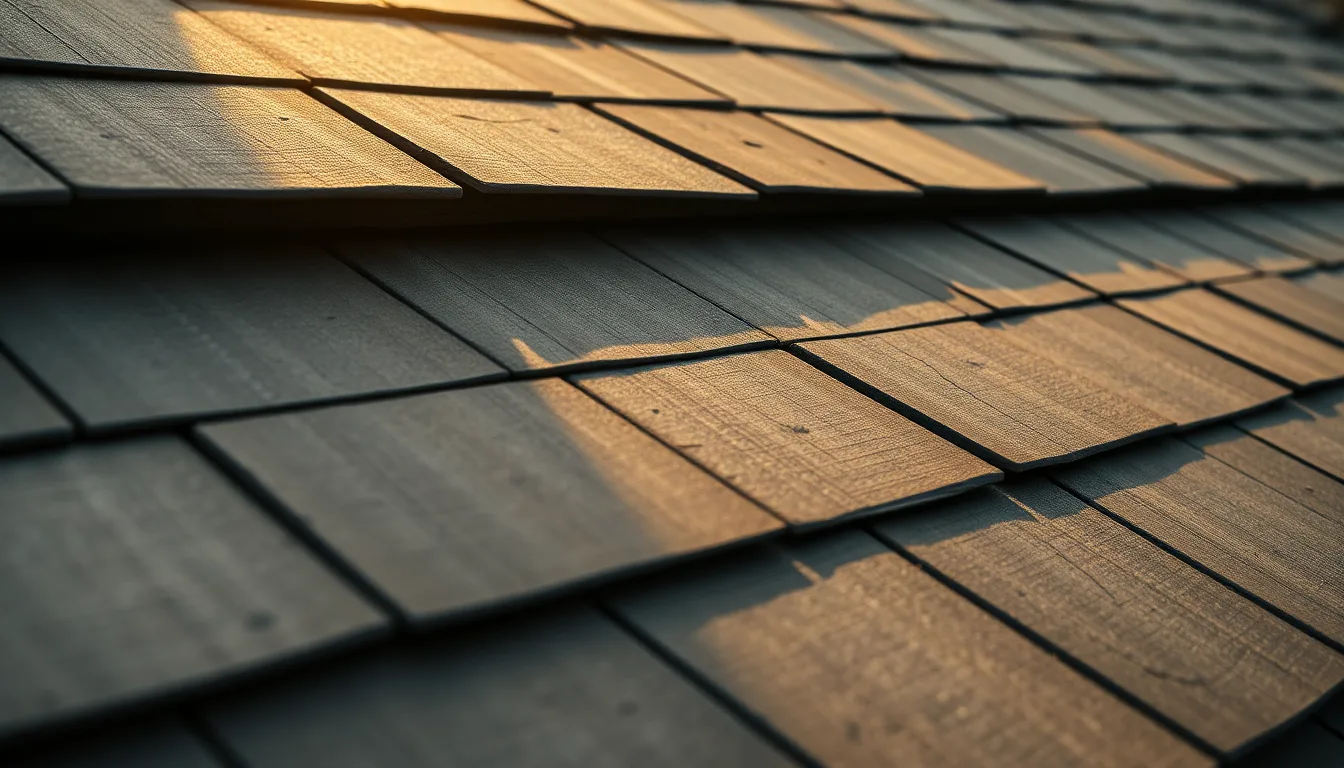
Natural slate has one of the longest working lives of any common UK roofing material. That’s why it’s still found on so many Victorian and Edwardian properties across Ware, Hertford and the older parts of the Lea Valley, much of it original to the building. Understanding what actually limits a slate roof’s life explains why some century-old slate is still sound, while other slate roofs half that age already need attention.
What determines slate’s lifespan
Good-quality Welsh or genuinely durable imported slate, correctly fixed, is commonly cited by roofing trade bodies as capable of lasting upwards of a century. Well-maintained examples last even longer. What actually ends a slate roof’s useful life is rarely the slate itself failing outright. More often, it’s the fixings. Traditional nails corrode over time. Once enough nails fail, slates begin to slip, even though the slate itself may be perfectly sound. That’s why a slate roof showing individual slipped slates doesn’t automatically need full replacement. In some cases, it may just need re-fixing or selective replacement.
Signs you need a proper survey
- Slipped or missing slates appearing more frequently, in different locations each time
- Visible daylight through the roof from inside the loft
- A “sagging” appearance to the roofline, which points to timber problems rather than slate failure alone
- Slates that feel soft, laminate or delaminate when tapped — a sign the slate itself is genuinely deteriorating, not just the fixings
Repair, re-fix, or full re-slate?
If the slate itself is sound but fixings have failed in a limited area, re-fixing or replacing individual slates is usually the right call. It’s also considerably cheaper than a full re-slate. However, if failures are widespread across the whole roof, or if the slate itself is deteriorating rather than just the nails, a full re-slate is the more cost-effective long-term option. This sometimes means reusing sound original slates mixed with reclaimed or new ones to match, rather than repeatedly patching. Our guide on repair versus replace covers this decision in more general terms. And if you’re weighing slate against a cheaper alternative for a full re-roof, our new roof cost guide sets out realistic price ranges by material.
Why slate still commands a premium
Slate costs more to buy than concrete or clay tile, and it’s slower and more skilled work to lay correctly. That’s reflected in the price of both new slate roofs and slate repairs. For a period property, though, it’s often the only material that looks right and satisfies conservation requirements. It also genuinely lasts longer, so the higher upfront cost is spread over a very long working life compared with shorter-lived alternatives.
If you have a slate roof in Ware, Hertford, Cheshunt or anywhere across our service area that needs a proper survey rather than a guess from the ground, get in touch through our contact page. Our slate & tile roofing service covers exactly this kind of traditional work. Since we have three generations of experience, we can usually tell what’s genuinely needed on the first visit.
Further reading
- Roofing Homes in Broxbourne
- New Roofs and Re-Roofing in Cheshunt
- What Is Lead Flashing and Why It Protects Your Roof
- Roofing Victorian Terraces in Enfield
- How Much Does a New Roof Cost in Hertfordshire?
- Flat Roof Materials Compared
- Why Choose a Family Roofing Firm?
- Roofing Hertford’s Period and New-Build Homes
- Choosing a Roofer in Hoddesdon
- Roofing Grants and Help Paying for Roof Repairs
- Dormer vs Velux Loft Conversions Explained
- Repair or Replace? Signs Your Roof Needs Replacing